Your Is sawtooth oak invasive images are available. Is sawtooth oak invasive are a topic that is being searched for and liked by netizens today. You can Find and Download the Is sawtooth oak invasive files here. Find and Download all royalty-free photos and vectors.
If you’re looking for is sawtooth oak invasive images information linked to the is sawtooth oak invasive interest, you have visit the ideal site. Our website frequently gives you suggestions for refferencing the highest quality video and image content, please kindly surf and locate more enlightening video articles and images that match your interests.
Is Sawtooth Oak Invasive. Ive seen this firsthand. Escapes from urban settings into nearby natural areas including forests. Sawtooth oak a tree native to eastern Asia is popular for use in street tree plantings due to its interesting foliage and fruits acorns. Charcoal made using this wood is used especially for the braisers for heating water for the Japanese tea ceremony.
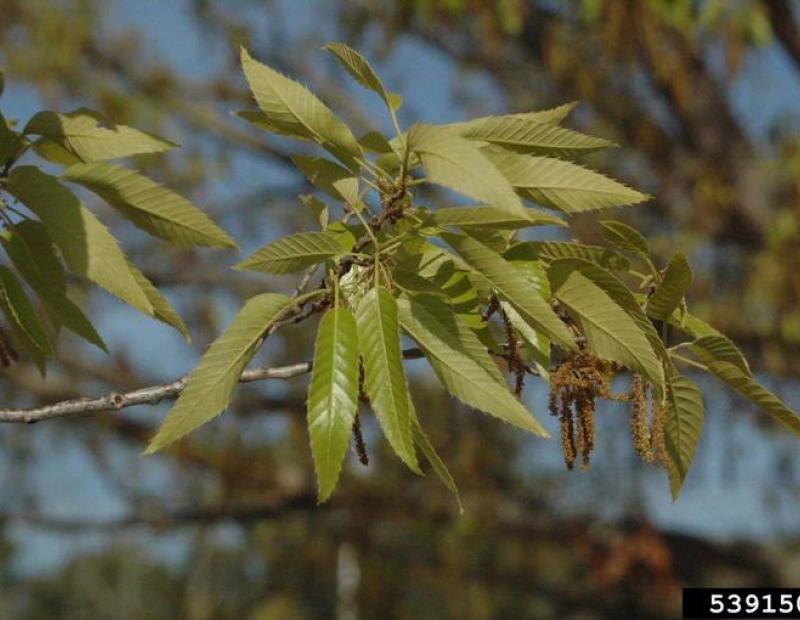 Quercus Acutissima Lower Hudson Partnership For Regional Invasive Species Management From lhprism.org
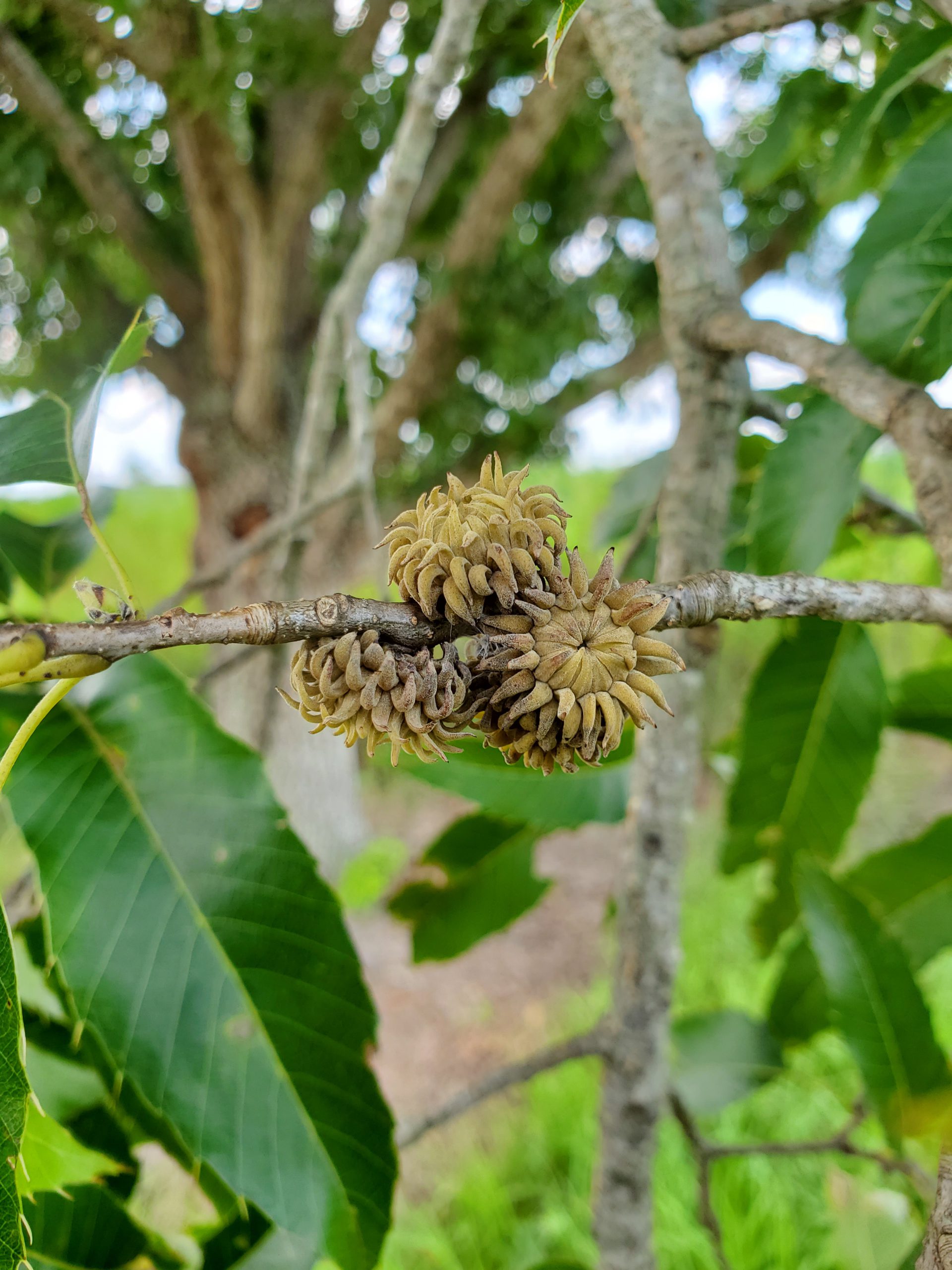
Is Sawtooth Oak invasive. Climate and produces literal tons of acorns each year. It spreads by seed that is produced in large numbers and has been found in recent years to be escaping from plantings to become invasive in wild areas displacing native plants. 152 m in height deciduous tree that has been invading forests in the eastern United States. Commonly encouraged for planting as wildlife forage and habitat due to the mass production of acorns after a short period of time. Ive seen this firsthand.
Climate and produces literal tons of acorns each year.
Sawtooth oak trees also grow at a faster rate which helps it compete against native trees. You can look it up under its Latin name of Quercus acutissima. Climate and produces literal tons of acorns each year. Sawtooth oak a tree native to eastern Asia is popular for use in street tree plantings due to its interesting foliage and fruits acorns. Invasive Potential Sawtooth Oaks are non-native very adapted species to the Southeastern US. Climate and produces literal tons of acorns each year.
 Source: pinterest.com
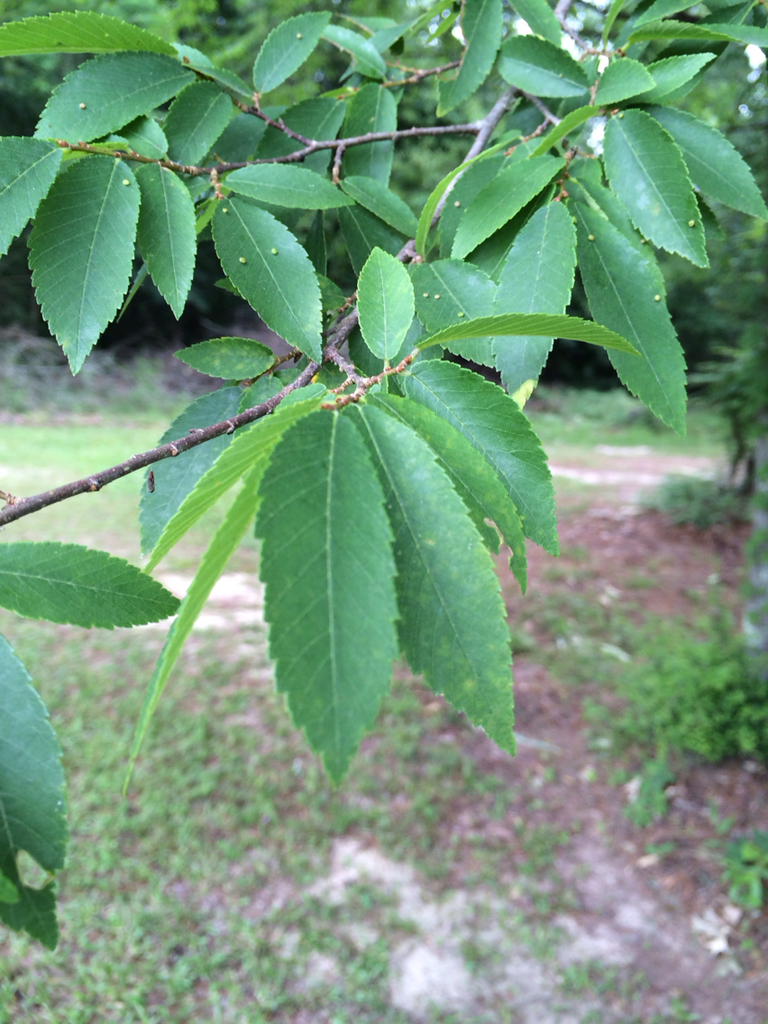
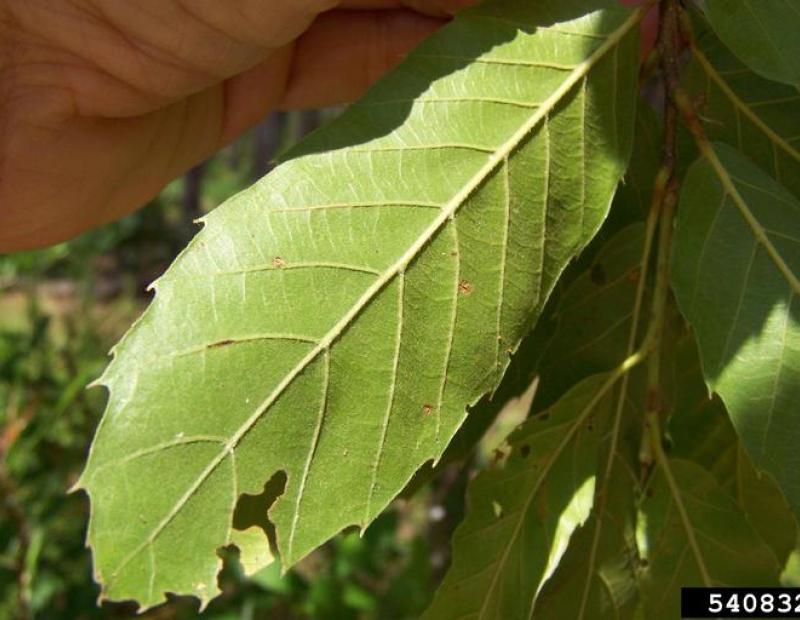
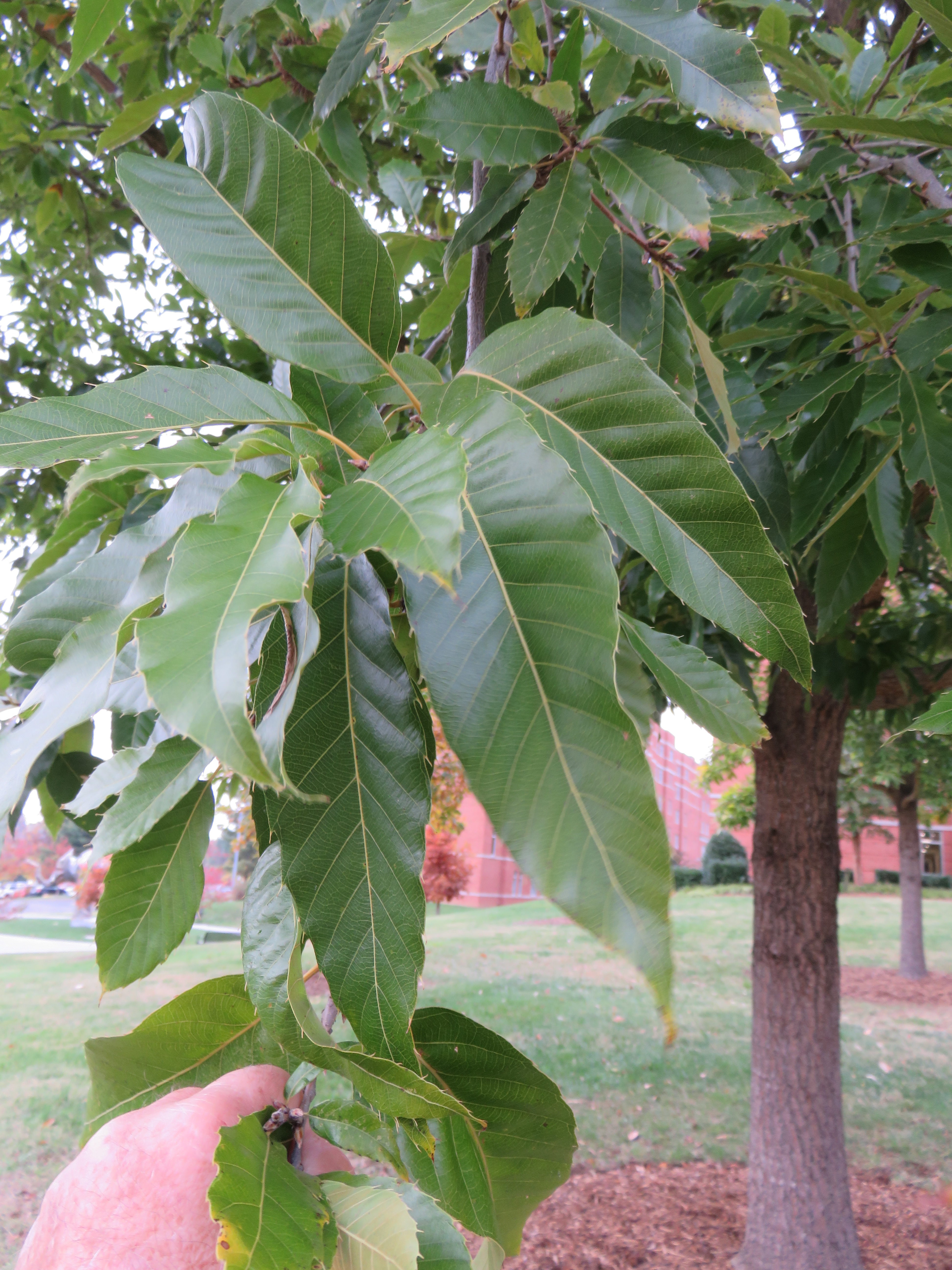
Sawtooth oak trees also grow at a faster rate which helps it compete against native trees. Sawtooth oak a tree native to eastern Asia is popular for use in street tree plantings due to its interesting foliage and fruits acorns. Sawtooth oak is a native of Asia that was introduced to North America in the 1920s. Sawtooth oak a tree native to eastern Asia is popular for use in street tree plantings due to its interesting foliage and fruits acorns. Foliage The leaves are alternate broadly lance-shaped 4-75 in.
 Source: pinterest.com
Is oak an invasive plant. Sawtooth oak a tree native to eastern Asia is popular for use in street tree plantings due to its interesting foliage and fruits acorns. Long-term health usually not affected by pests. However this species has the potential to become a nuisance invasive. 5B through 9A Fig.
 Source: inaturalist.org
It spreads by seed that is produced in large numbers and has been found in recent years to be escaping from plantings to become invasive in wild areas displacing native plants. Quercus acutissima is a large up to 50 ft. Sawtooth Oak Quercus acutissima Its rapid growth allows it to outcompete native oaks and the dispersal by animals of its numerous acorns has caused it to become a problem species in forests along the east coast. 152 m in height deciduous tree that has been invading forests in the eastern United States. It spreads by seed that is produced in large numbers and has been found in recent years to be escaping from plantings to become invasive in wild areas displacing native plants.
 Source: mgnv.org
Quercus acutissima– Sawtooth Oak Page 3 Figure 3. Not known to be susceptible Pest resistance. The wood has many of the characteristics of other oaks but is very prone to crack and split and hence is relegated to such uses as fencing. 102-19 cm long up to 25 in. Charcoal made using this wood is used especially for the braisers for heating water for the Japanese tea ceremony.
 Source: pinterest.com
Ive seen this firsthand. Are sawtooth oaks invasive. It is tolerant of many types of soil and growing conditions. Is oak an invasive plant. Quercus acutissima is a large up to 50 ft.
 Source: nwdistrict.ifas.ufl.edu
5B through 9A Fig. It spreads by seed that is produced in large numbers and has been found in recent years to be escaping from plantings to become invasive in wild areas displacing native plants. It spreads by seed that is produced in large numbers and has been found in recent years to be escaping from plantings to become invasive in wild areas displacing native plants. Not native to North America Invasive potential. Sawtooth oak a tree native to eastern Asia is popular for use in street tree plantings due to its interesting foliage and fruits acorns.
 Source: wikiwand.com
Ive seen this firsthand. Invasive Potential Sawtooth Oaks are non-native very adapted species to the Southeastern US. Sawtooth oak a tree native to eastern Asia is popular for use in street tree plantings due to its interesting foliage and fruits acorns. Sawtooth oak a tree native to eastern Asia is popular for use in street tree plantings due to its interesting foliage and fruits acorns. Click to see full answer.
 Source: pinterest.com
Quercus acutissima is a large up to 50 ft. Little invasive potential Uses. The sawtooth oak is a fast growing tree that produces mast in about half the time seven years or so of other oaks. Climate and produces literal tons of acorns each year. Is oak an invasive plant.
Source: lhprism.org
I live in Illinois and local groups have been referring to this Asian Oak as invasive for a while based on its ability to escape cultivation. Long-term health usually not affected by pests. It spreads by seed that is produced in large numbers and has been found in recent years to be escaping from plantings to become invasive in wild areas displacing native plants. Sawtooth oak a tree native to eastern Asia is popular for use in street tree plantings due to its interesting foliage and fruits acorns. It spreads by seed that is produced in large numbers and has been found in recent years to be escaping from plantings to become invasive in wild areas displacing native plants.
 Source: lhprism.org
Sawtooth oak a tree native to eastern Asia is popular for use in street tree plantings due to its interesting foliage and fruits acorns. This tree has been in Georgia for several years and has not proven to be invasive to this point. Charcoal made using this wood is used especially for the braisers for heating water for the Japanese tea ceremony. It was eerily reminiscent of other invasive plants like Privet or Chinaberry. 5B through 9A Fig.
 Source: whatgrowsthere.com
The wood has many of the characteristics of other oaks but is very prone to crack and split and hence is relegated to such uses as fencing. Quercus acutissima is a large up to 50 ft. Tree lawn 6 ft wide. However this species has the potential to become a nuisance invasive. Little invasive potential Uses.
 Source: pinterest.com
It spreads by seed that is produced in large numbers and has been found in recent years to be escaping from plantings to become invasive in wild areas displacing native plants. Sawtooth oak trees also grow at a faster rate which helps it compete against native trees. The sawtooth oak grows to a height of 4060 and a spread of 4060 at maturity. However this species has the potential to become a nuisance invasive. You can look it up under its Latin name of Quercus acutissima.
 Source: mgnv.org
In answer to your question Sawtooth Oak is appering on some lists as invasive. Climate and produces literal tons of acorns each year. I live in Illinois and local groups have been referring to this Asian Oak as invasive for a while based on its ability to escape cultivation. It spreads by seed that is produced in large numbers and has been found in recent years to be escaping from plantings to become invasive in wild areas displacing native plants. It spreads by seed that is produced in large numbers and has been found in recent years to be escaping from plantings to become invasive in wild areas displacing native plants.
 Source: nwdistrict.ifas.ufl.edu
Invasive Potential Sawtooth Oaks are non-native very adapted species to the Southeastern US. 152 m in height deciduous tree that has been invading forests in the eastern United States. Sawtooth oak a tree native to eastern Asia is popular for use in street tree plantings due to its interesting foliage and fruits acorns. While red oaks are not invasive their roots sure are. Sawtooth oak is a native of Asia that was introduced to North America in the 1920s.
 Source: pinterest.com
Foliage of Sawtooth Oak. Charcoal made using this wood is used especially for the braisers for heating water for the Japanese tea ceremony. The wood has many of the characteristics of other oaks but is very prone to crack and split and hence is relegated to such uses as fencing. The sawtooth oak is a fast growing tree that produces mast in about half the time seven years or so of other oaks. It spreads by seed that is produced in large numbers and has been found in recent years to be escaping from plantings to become invasive in wild areas displacing native plants.
 Source: mgnv.org
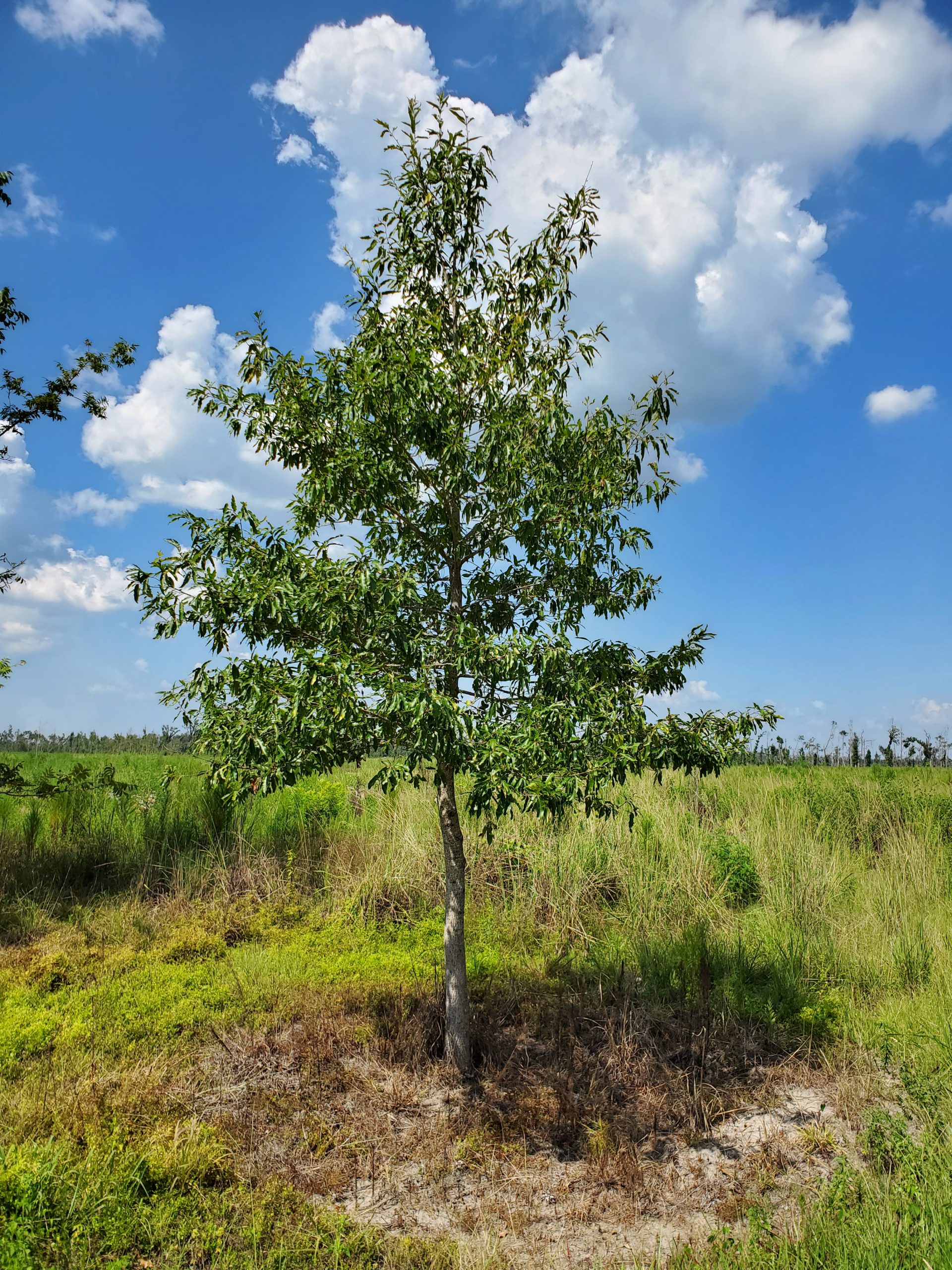
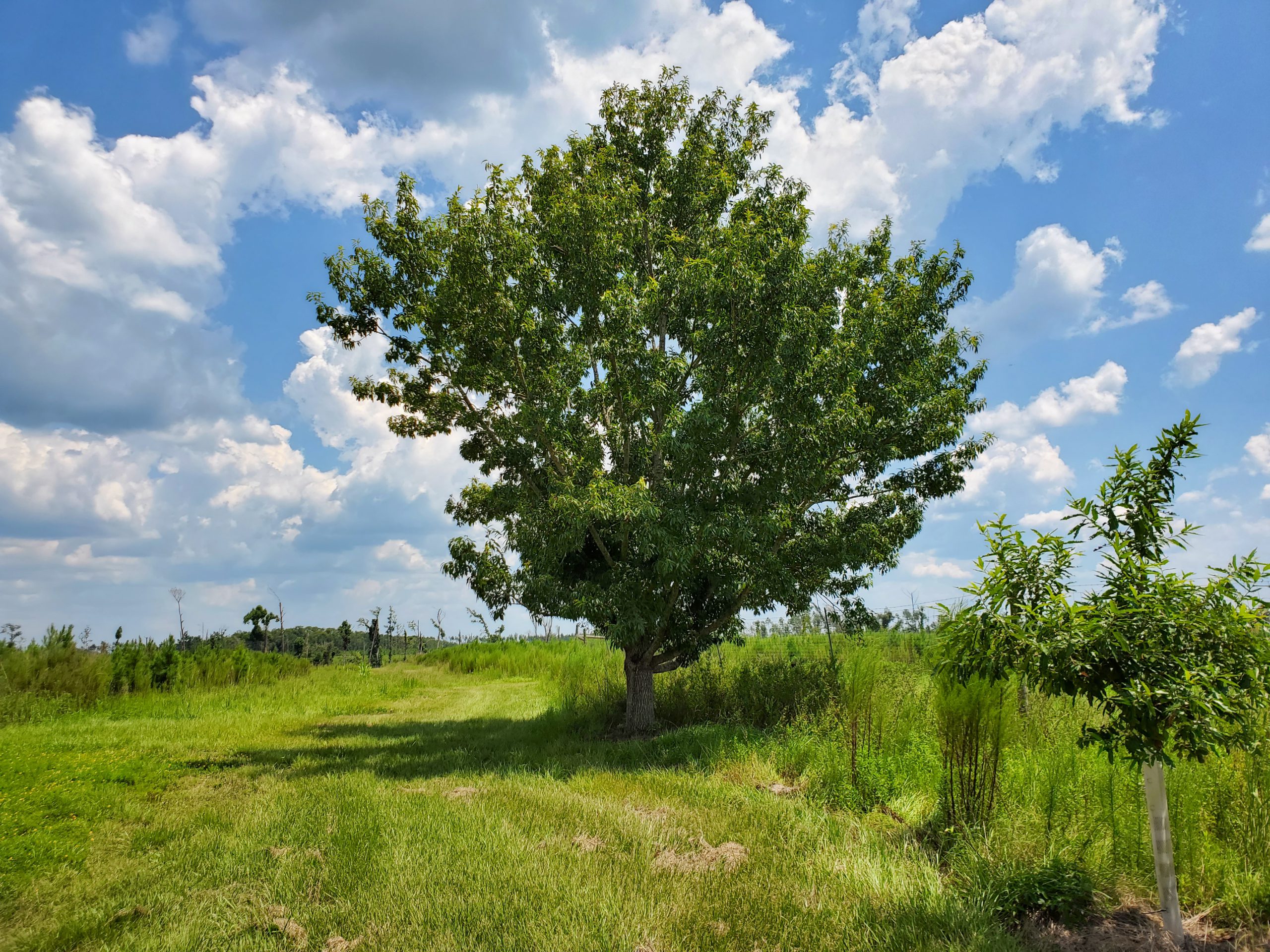
Sawtooth oak a tree native to eastern Asia is popular for use in street tree plantings due to its interesting foliage and fruits acorns. It spreads by seed that is produced in large numbers and has been found in recent years to be escaping from plantings to become invasive in wild areas displacing native plants. The sawtooth oak is a fast growing tree that produces mast in about half the time seven years or so of other oaks. Parking lot island 200 sq ft. Sawtooth Oak is an attractive large deciduous tree 50 feet in height or taller with a rounded broad pyramidal shape Fig.
 Source: nwdistrict.ifas.ufl.edu
Sawtooth Oak Quercus acutissima Its rapid growth allows it to outcompete native oaks and the dispersal by animals of its numerous acorns has caused it to become a problem species in forests along the east coast. It spreads by seed that is produced in large numbers and has been found in recent years to be escaping from plantings to become invasive in wild areas displacing native plants. Commonly encouraged for planting as wildlife forage and habitat due to the mass production of acorns after a short period of time. This tree has been in Georgia for several years and has not proven to be invasive to this point. The sawtooth oak is a fast growing tree that produces mast in about half the time seven years or so of other oaks.
 Source: al.com
Sawtooth Oak Quercus acutissima Its rapid growth allows it to outcompete native oaks and the dispersal by animals of its numerous acorns has caused it to become a problem species in forests along the east coast. This tree has been in Georgia for several years and has not proven to be invasive to this point. To anchor themselves these giants send out lateral roots that can. It spreads by seed that is produced in large numbers and has been found in recent years to be escaping from plantings to become invasive in wild areas displacing native plants. Quercus acutissima is a large up to 50 ft.
This site is an open community for users to share their favorite wallpapers on the internet, all images or pictures in this website are for personal wallpaper use only, it is stricly prohibited to use this wallpaper for commercial purposes, if you are the author and find this image is shared without your permission, please kindly raise a DMCA report to Us.
If you find this site helpful, please support us by sharing this posts to your favorite social media accounts like Facebook, Instagram and so on or you can also save this blog page with the title is sawtooth oak invasive by using Ctrl + D for devices a laptop with a Windows operating system or Command + D for laptops with an Apple operating system. If you use a smartphone, you can also use the drawer menu of the browser you are using. Whether it’s a Windows, Mac, iOS or Android operating system, you will still be able to bookmark this website.


