Your Is pine safe for aquariums images are available in this site. Is pine safe for aquariums are a topic that is being searched for and liked by netizens today. You can Get the Is pine safe for aquariums files here. Get all free vectors.
If you’re looking for is pine safe for aquariums images information related to the is pine safe for aquariums keyword, you have come to the ideal site. Our site always provides you with hints for seeking the highest quality video and image content, please kindly search and find more enlightening video articles and images that match your interests.
Is Pine Safe For Aquariums. Pine poplar and fruitwoods can last 3 years which really isnt to shabby. Tied on moss or something like it can be used to hide the fishing line or a potable water safe two-part epoxy or original Gorilla glue which is tank safe once it has cured. This would preserve the leaves as well as keep them from releasing anything unpleasant into the water column. From what I see 2 plastics tend to be used for items that have a bit more strength and stiffness.
 Ajla Ameekqwrm From
Leaving the root to cool and thoroughly rinse it in water which we add to the aquarium eg. Cedar avoid anything evergreenconiferous Cypress Grapevine this rots very quickly Horse chestnut Lilac this is poisonous Ivy this is poisonous Pine Spruce Walnut Yew this is toxic. It will be a good idea to remove the bark and boil it before setting up in your aquarium. Im never sure when I pick up a piece without exact ID but its always worth a shot. Some of these driftwoods contain grayanotoxins that can cause stomach heart and nerve damage in humans and animals. Unless you know it just came down more than likely it will have molds and fungus in it and on it.
I leave it in a spare tank or bin to soak for as long as it takes.
Most wood is ok but yes avoid pine and other evergreens. Cones such as Alder and others have been used successfully for quite a few years by shrimp and fish breeders to lower the pH in their aquaria as well as to stimulate breeding. Its easy for me to say dont place a large fish tank on a dresser but if you do make sure the dresser is strong enough to safely hold the aquarium. You have to be really cautious when choosing it. This generally means that planks and furniture made with pine are fine but not pine shavings or pine-based litters. Rose Wood roots Unusual and thick branching wood.
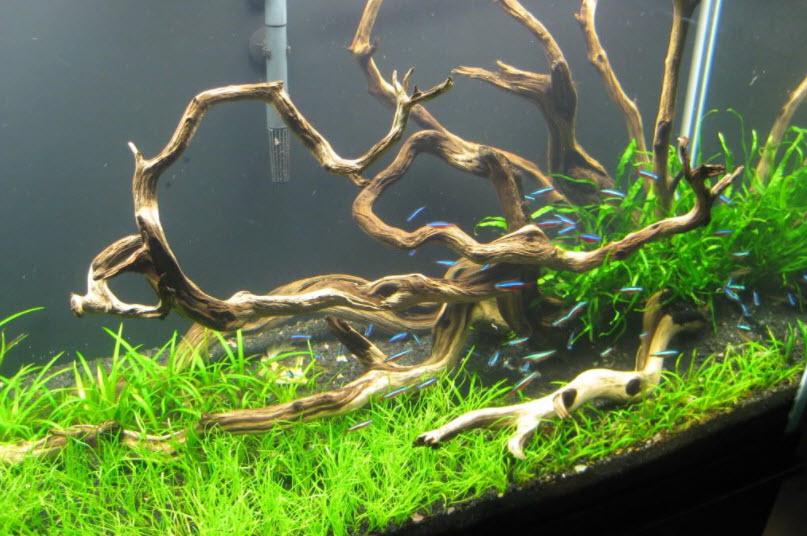 Source: aquariumscience.org
Ive been doing some reading on crystals that are safe and unsafe for aquariums as Id like to try and make a Crystal Garden themed tank for my crayfish Nyxie. Pine is also the most used wood when producing Turpentine becuase of it pine sap is also antibacterial. Leaving the root to cool and thoroughly rinse it in water which we add to the aquarium eg. True I was just walking home and had the idea thanks. Feb 6 2010.
 Source: pinterest.com
This wood can be identified by its distinctive orange color. Alder Apple Beech Birch Cherry Hawthorn Heather Oak Pear Sycamore. Im never sure when I pick up a piece without exact ID but its always worth a shot. From what I see 2 plastics tend to be used for items that have a bit more strength and stiffness. Tied on moss or something like it can be used to hide the fishing line or a potable water safe two-part epoxy or original Gorilla glue which is tank safe once it has cured.
Source:
During the change checking if the root doesnt color the water and whether it sinks put it in a container with water temperature such as in an aquarium for a few hours. Kiln-dried pine Pine that has undergone a certain drying process is safe for rabbits to chew on. Even with sealed plastic there is always the chance that they could chip or split and then release toxins in the water. True I was just walking home and had the idea thanks. Tied on moss or something like it can be used to hide the fishing line or a potable water safe two-part epoxy or original Gorilla glue which is tank safe once it has cured.
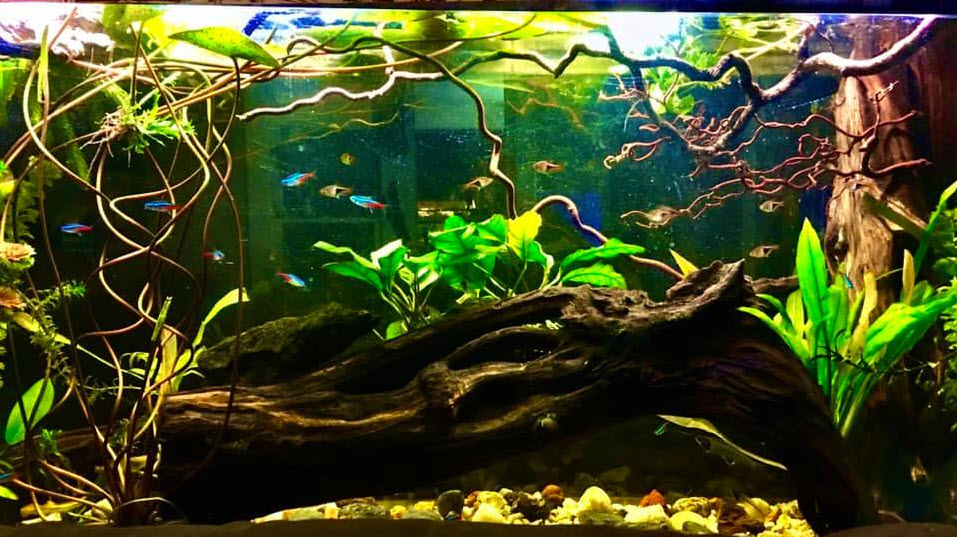 Source: aquariumscience.org
While pine needles arent directly poisonous for fish they still can be harmful to them in the water. Other varieties of botanicals such as leaves palm products and todays subects- cones- can quickly and efficiently impart these substances to the aquarium water once submerged. Collecting and preparing wood for use in your aquarium. True I was just walking home and had the idea thanks. Alder Apple Beech Birch Cherry Hawthorn Heather Oak Pear Sycamore.
 Source: pinterest.com
Ive seen it suggested for sealing wood in aquariums apparently its quite safe and it would seal the water out of the leaves. Softwood will make the water VERY tanic VERY fast. Trees such as pine and other evergreens are softwoods so a good rule of thumb is to avoid wood from any trees that dont shed their leaves or that bear cones. Is Pine Safe For Rabbits. So we lets dive into this topic a bit more and discuss.
 Source: pinterest.com
Level 1 7 yr. Woods to Avoid for your aquarium Selecting wood for your aquarium is not that easy. This would preserve the leaves as well as keep them from releasing anything unpleasant into the water column. Op 7 yr. Cones such as Alder and others have been used successfully for quite a few years by shrimp and fish breeders to lower the pH in their aquaria as well as to stimulate breeding.
 Source: pinterest.com
The problem is when you find washed-up driftwood it might be hard to tell what tree it came from. Even with sealed plastic there is always the chance that they could chip or split and then release toxins in the water. This means that it doesnt leach chemicals into food or fluids over time. Rose Wood roots Unusual and thick branching wood. Its recommended to soak it for a few weeks.
 Source: pinterest.com
Ive been doing some reading on crystals that are safe and unsafe for aquariums as Id like to try and make a Crystal Garden themed tank for my crayfish Nyxie. You can also do a bleach water rinse 1 part bleach to 10 parts water. There are going to be times when a piece wont work out the way you had in mind but you can always look for a way to fix it. This generally means that planks and furniture made with pine are fine but not pine shavings or pine-based litters. For this reason it also has a higher risk of leaching tannins.
 Source: pinterest.com
Cedar avoid anything evergreenconiferous Cypress Grapevine this rots very quickly Horse chestnut Lilac this is poisonous Ivy this is poisonous Pine Spruce Walnut Yew this is toxic. Its easy for me to say dont place a large fish tank on a dresser but if you do make sure the dresser is strong enough to safely hold the aquarium. Ensure when you buy plastic toys that you find out whether or not they have been sealed and are safe for your aquarium. Air or kiln-dried and for certain mold and fungus free. Its not always suitable for the aquarium if you buy it from the untrusted supplier.
 Source: quora.com
Oct 4 2013 9 If you want to use Oak my suggestion would be to preserve them first. Its not always suitable for the aquarium if you buy it from the untrusted supplier. While pine needles arent directly poisonous for fish they still can be harmful to them in the water. Ive seen it suggested for sealing wood in aquariums apparently its quite safe and it would seal the water out of the leaves. It will be a good idea to remove the bark and boil it before setting up in your aquarium.
 Source: pinterest.com
Unless you know it just came down more than likely it will have molds and fungus in it and on it. The reason Pine wood is bad for your tank is the sap and oils within the trees pine have one of the highest contensts of sap. Trees such as pine and other evergreens are softwoods so a good rule of thumb is to avoid wood from any trees that dont shed their leaves or that bear cones. Air or kiln-dried and for certain mold and fungus free. The base of the dresser should not have legs that can detach easily as they will not provide the solid base necessary to be safe.
 Source: pinterest.com
Rose Wood roots Unusual and thick branching wood. I do have 1 piece of softwood in my 55 with the discus I hope to breed. Read below about curing wood. Unsafe woods for use in an aquarium. Collecting and preparing wood for use in your aquarium.
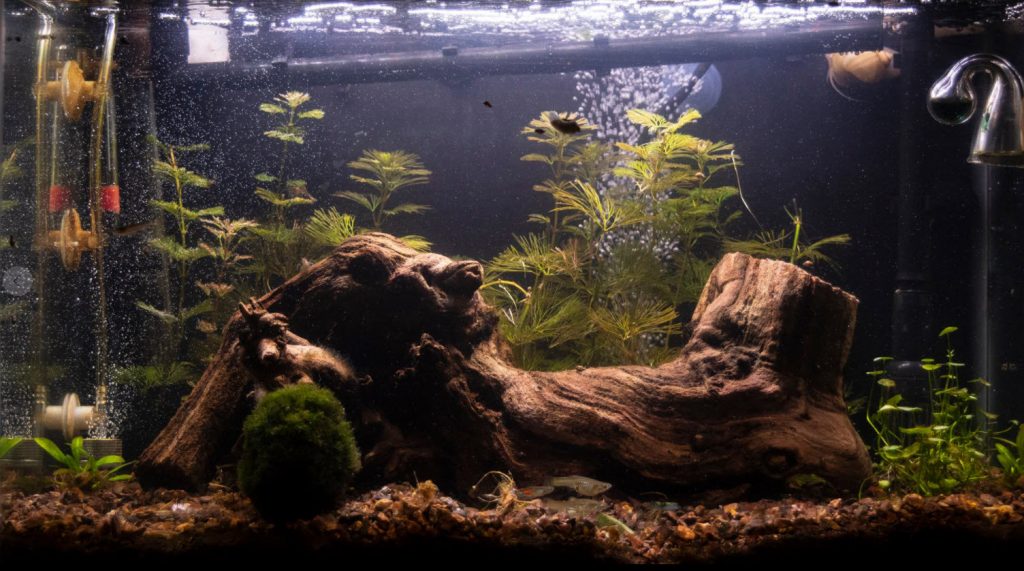 Source: aquariumscience.org
Cedar avoid anything evergreenconiferous Cypress Grapevine this rots very quickly Horse chestnut Lilac this is poisonous Ivy this is poisonous Pine Spruce Walnut Yew this is toxic. Woods to Avoid for your aquarium Selecting wood for your aquarium is not that easy. Read below about curing wood. Unsealed painted plastic toys will release toxins into the water which could poison your fish. Air or kiln-dried and for certain mold and fungus free.
 Source: aquariumscience.org
Perfect for very large aquariums and less commonly smaller aquariums when smaller cuts are found. Its recommended to soak it for a few weeks. During the change checking if the root doesnt color the water and whether it sinks put it in a container with water temperature such as in an aquarium for a few hours. Cones such as Alder and others have been used successfully for quite a few years by shrimp and fish breeders to lower the pH in their aquaria as well as to stimulate breeding. So if you have a pine tree near your pond or have put some pine needles in your fishs bowl they will decompose after a while.
 Source: pinterest.com
Even with sealed plastic there is always the chance that they could chip or split and then release toxins in the water. Pine is also the most used wood when producing Turpentine becuase of it pine sap is also antibacterial. Softwood will make the water VERY tanic VERY fast. Woods to Avoid for your aquarium Selecting wood for your aquarium is not that easy. Oct 4 2013 9 If you want to use Oak my suggestion would be to preserve them first.
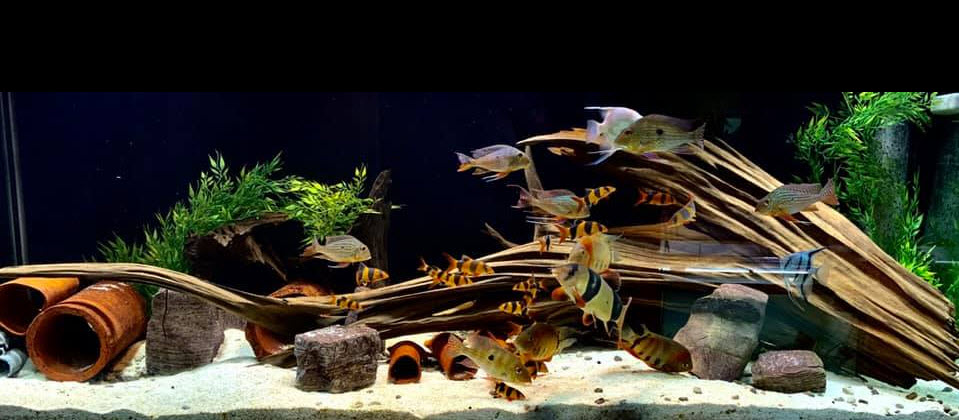 Source: aquariumscience.org
Op 7 yr. Also organic matter may decay and cause problems with your fish. Unless you know it just came down more than likely it will have molds and fungus in it and on it. Other varieties of botanicals such as leaves palm products and todays subects- cones- can quickly and efficiently impart these substances to the aquarium water once submerged. You have to be really cautious when choosing it.
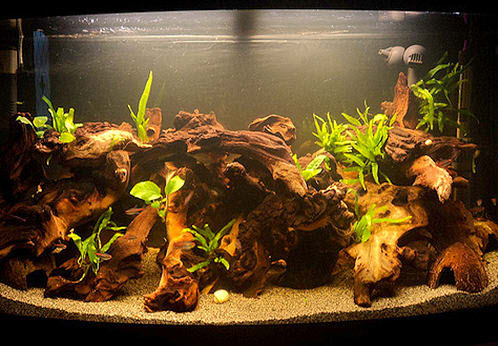 Source: aquariumscience.org
Pine is also the most used wood when producing Turpentine becuase of it pine sap is also antibacterial. Ensure when you buy plastic toys that you find out whether or not they have been sealed and are safe for your aquarium. Ive seen it suggested for sealing wood in aquariums apparently its quite safe and it would seal the water out of the leaves. Pine is also the most used wood when producing Turpentine becuase of it pine sap is also antibacterial. Cedar avoid anything evergreenconiferous Cypress Grapevine this rots very quickly Horse chestnut Lilac this is poisonous Ivy this is poisonous Pine Spruce Walnut Yew this is toxic.
 Source: pinterest.com
Rose Wood roots Unusual and thick branching wood. Unless you know it just came down more than likely it will have molds and fungus in it and on it. Unsealed painted plastic toys will release toxins into the water which could poison your fish. The problem is when you find washed-up driftwood it might be hard to tell what tree it came from. Level 1 7 yr.
This site is an open community for users to share their favorite wallpapers on the internet, all images or pictures in this website are for personal wallpaper use only, it is stricly prohibited to use this wallpaper for commercial purposes, if you are the author and find this image is shared without your permission, please kindly raise a DMCA report to Us.
If you find this site beneficial, please support us by sharing this posts to your favorite social media accounts like Facebook, Instagram and so on or you can also bookmark this blog page with the title is pine safe for aquariums by using Ctrl + D for devices a laptop with a Windows operating system or Command + D for laptops with an Apple operating system. If you use a smartphone, you can also use the drawer menu of the browser you are using. Whether it’s a Windows, Mac, iOS or Android operating system, you will still be able to bookmark this website.


